
The transition into 6th grade marks a pivotal moment in a student's academic and personal growth, as their curiosity shifts from simple facts to the complex 'whys' and 'hows' of the world around them. High-quality nonfiction is the perfect vehicle for this exploration, offering not just information but also compelling narratives, diverse perspectives, and crucial opportunities for critical thinking. Finding the right nonfiction books for 6th graders can transform a reluctant reader into an engaged learner, eager to explore history, science, and the human experience.
This comprehensive guide is designed to simplify that search for parents, educators, and librarians. We will explore the best platforms to discover and access outstanding nonfiction, from major online retailers to specialized educational resources and free public library apps. To truly foster a love for nonfiction and connect with young readers, adopting strategies like inquiry-based learning can significantly boost student engagement by empowering them to ask their own questions and seek out answers.
Below, you will find a detailed breakdown of the top seven platforms for building a rich and varied nonfiction library. Each entry provides an overview of the platform's strengths, how it serves the needs of middle school readers, and actionable tips for finding the perfect titles. We aim to equip you with the tools necessary to curate a reading list that not only supports curriculum standards but also sparks a genuine, lifelong passion for learning.
1. Amazon Books: The Ultimate Digital Megastore for Variety and Discovery
For sheer breadth of selection, Amazon remains the undisputed leader. It's the go-to marketplace for finding nearly any nonfiction title a 6th grader might need, from award-winning biographies and in-depth STEM explainers to niche historical deep dives. For educators and parents, its powerful search tools and user-generated content are invaluable.
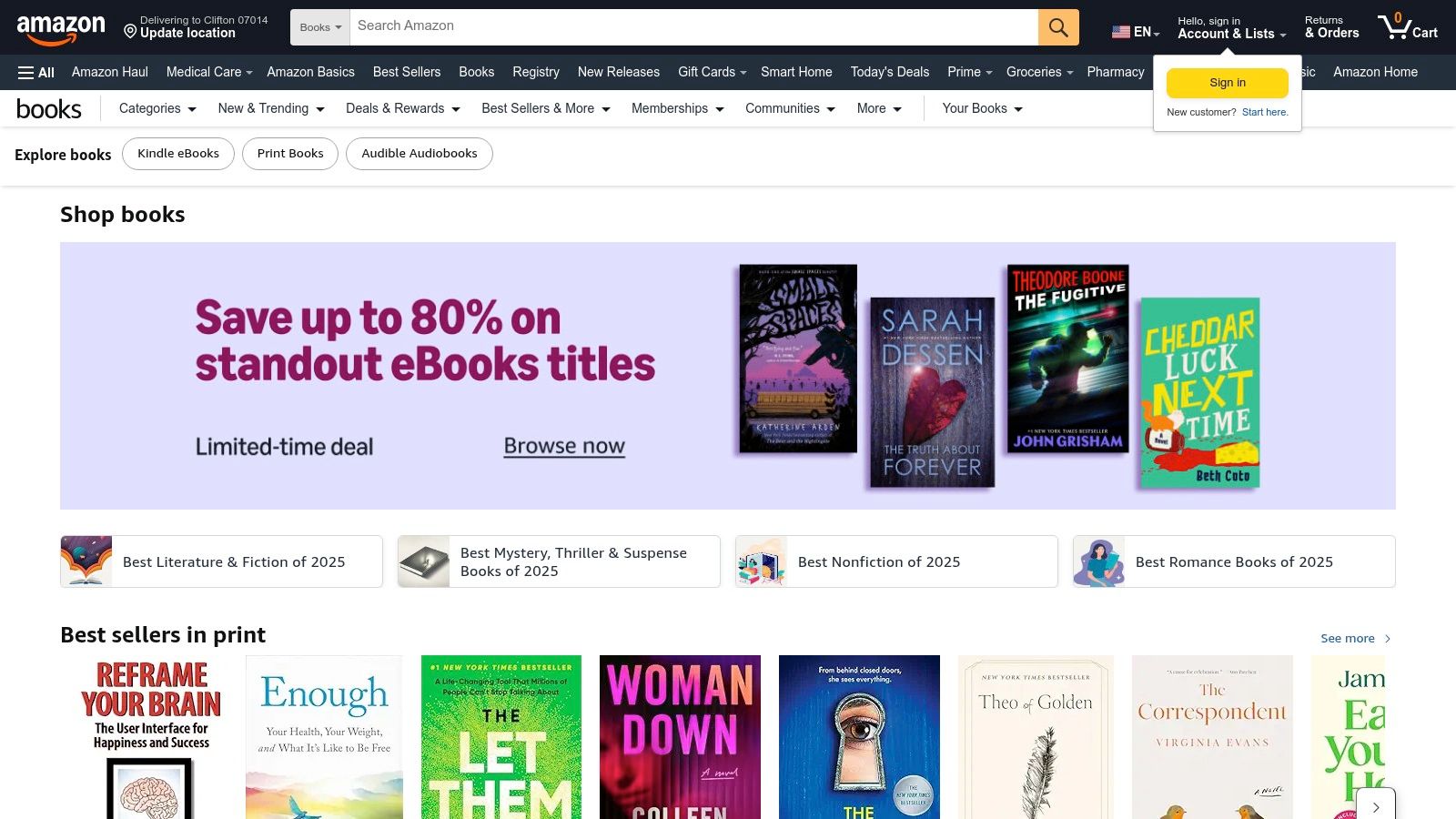
This platform excels in providing options. You can filter by format (hardcover, paperback, Kindle, Audible), check out extensive user reviews, and use the 'Look Inside' feature to preview content and assess its suitability. This is particularly useful for gauging text complexity and visual appeal before committing to a purchase.
Key Features and Practical Tips
The power of Amazon lies in its robust filtering and discovery tools. When searching for nonfiction books for 6th graders, don't just type in the general term. Instead, use the advanced search functions to narrow down by subject, publication date, and even average customer review. This helps cut through the noise and find high-quality, relevant titles.
- "Look Inside" Feature: Use this preview tool to read the first few pages. It’s the best way to see if the writing style, vocabulary, and topic depth are a good match for your reader.
- Customer Reviews: Scan reviews from other parents and educators. Look for comments on age-appropriateness, engagement level, and how the book was received by actual middle schoolers.
- Format Flexibility: Consider the Audible or Kindle versions for reluctant readers. An engaging narrator or the ability to adjust font size can make complex nonfiction more accessible.
Tools like classroom wishlists and business accounts streamline the process of acquiring books for school libraries or multiple students, making it a highly practical, one-stop shop for building a diverse nonfiction collection. For further guidance on selecting engaging reads, explore this helpful guide to top books for 6th graders.
Pros and Cons
| Pros | Cons |
|---|---|
| Widest availability with frequent discounts and preorders. | Non-curated feel; quality varies and search can be noisy. |
| Reliable shipping and easy returns for most items. | Some specific category pages can be hard to find directly. |
| Strong discovery via recommendations and bestseller lists. | Prices and stock can fluctuate without notice. |
Website: https://www.amazon.com/books
2. Barnes & Noble (B&N): Curated Browsing and In-Store Convenience
Barnes & Noble offers a curated experience that blends the convenience of online shopping with the tangible benefits of a physical bookstore. It's an excellent resource for parents and educators who appreciate expert recommendations and the ability to see books firsthand. The platform's dedicated hub for Ages 9–12 simplifies the hunt for high-quality middle-grade titles, making it easy to find compelling nonfiction books for 6th graders.
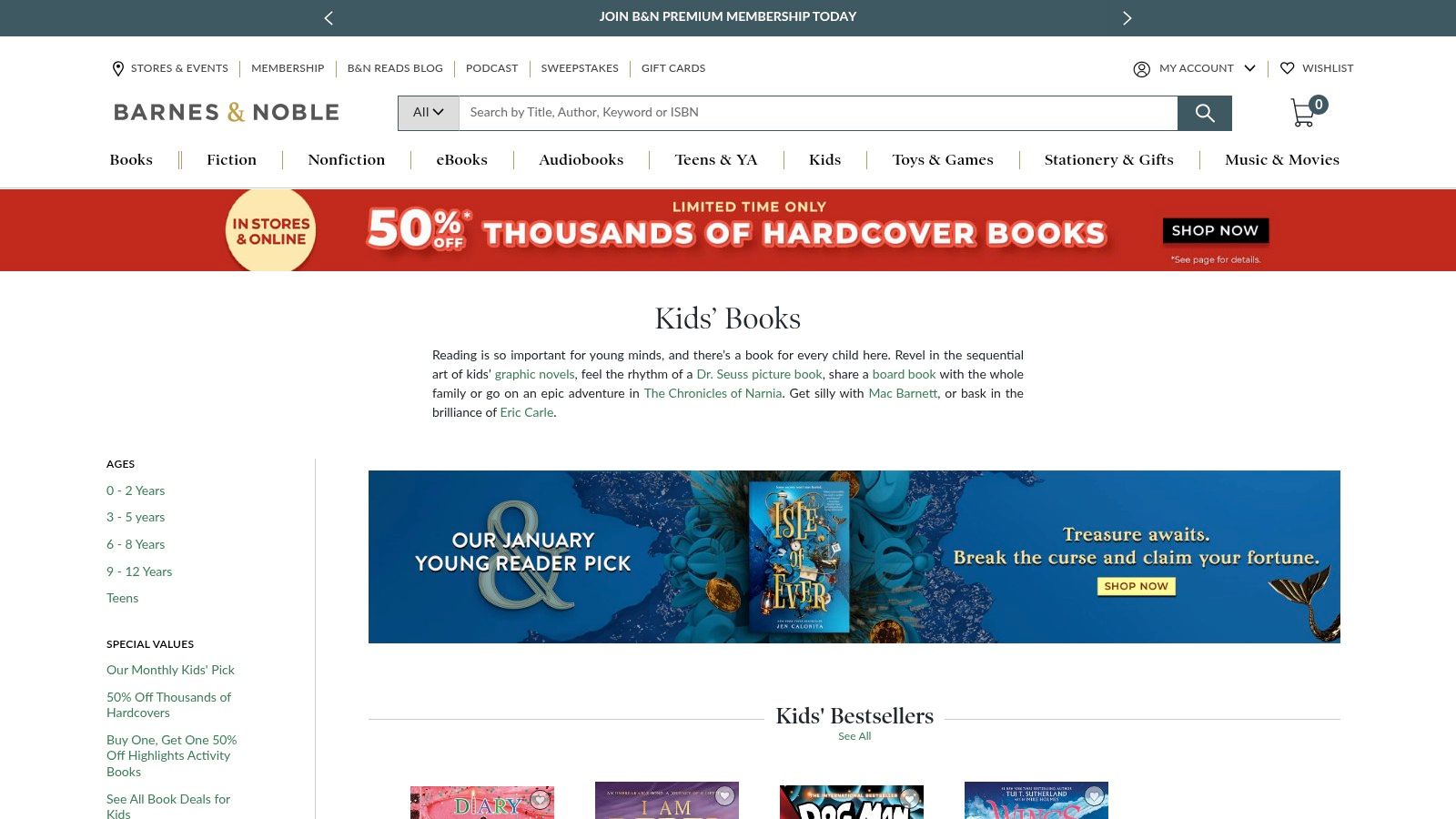
This platform shines in its ability to bridge the digital and physical worlds. You can browse online, check local store inventory, and opt for in-store pickup, often on the same day. This is a major advantage for last-minute school project needs or for those who prefer to inspect a book's layout and content before purchasing. The curated lists and seasonal picks often surface new and noteworthy nonfiction that might be missed in a larger, less-filtered marketplace.
Key Features and Practical Tips
The strength of B&N lies in its thoughtful organization and educator-focused programs. When browsing the website, start directly within the "Kids" section and navigate to the "Ages 9-12" category to ensure you're seeing age-appropriate content. This section often features themed collections like "STEM Superstars" or "History Buffs," which are great starting points for discovery.
- Check Store Inventory: Before heading out, use the website to see if a specific title is in stock at your local store. This feature saves time and guarantees the book will be waiting for you.
- Educator Discounts: Teachers should sign up for the B&N Educator Program, which provides a 20% discount on most classroom purchases and up to 25% off during special Educator Appreciation Days.
- Explore Curated Lists: Pay attention to the "Young Reader" and seasonal recommendation lists on the homepage. These are often compiled by B&N's booksellers and highlight engaging and well-regarded nonfiction titles perfect for the 6th-grade level.
The in-store experience also provides a unique advantage. Themed displays and knowledgeable staff can help you discover hidden gems and find the perfect book to capture a middle schooler's interest, from thrilling survival stories to accessible biographies of historical figures.
Pros and Cons
| Pros | Cons |
|---|---|
| Consistent availability of popular nonfiction and school staples. | Smaller long-tail selection than massive online retailers. |
| Easy returns in-store and educator-friendly browsing. | Website filtering can skew toward fiction unless refined. |
| Frequent themed displays that surface quality picks. | Best shipping/discounts may require a paid membership. |
Website: https://www.barnesandnoble.com/b/books/kids/ages-9-12/_/N-29Z8q8Ztu1
3. Bookshop.org: The Community-Focused Hub for Curated Nonfiction
For those who want their book purchases to have a positive community impact, Bookshop.org offers a fantastic alternative. It's an online bookstore with a mission to financially support local, independent bookstores. You can find a robust selection of nonfiction for middle schoolers while ensuring a portion of your purchase directly benefits a specific indie shop of your choice.
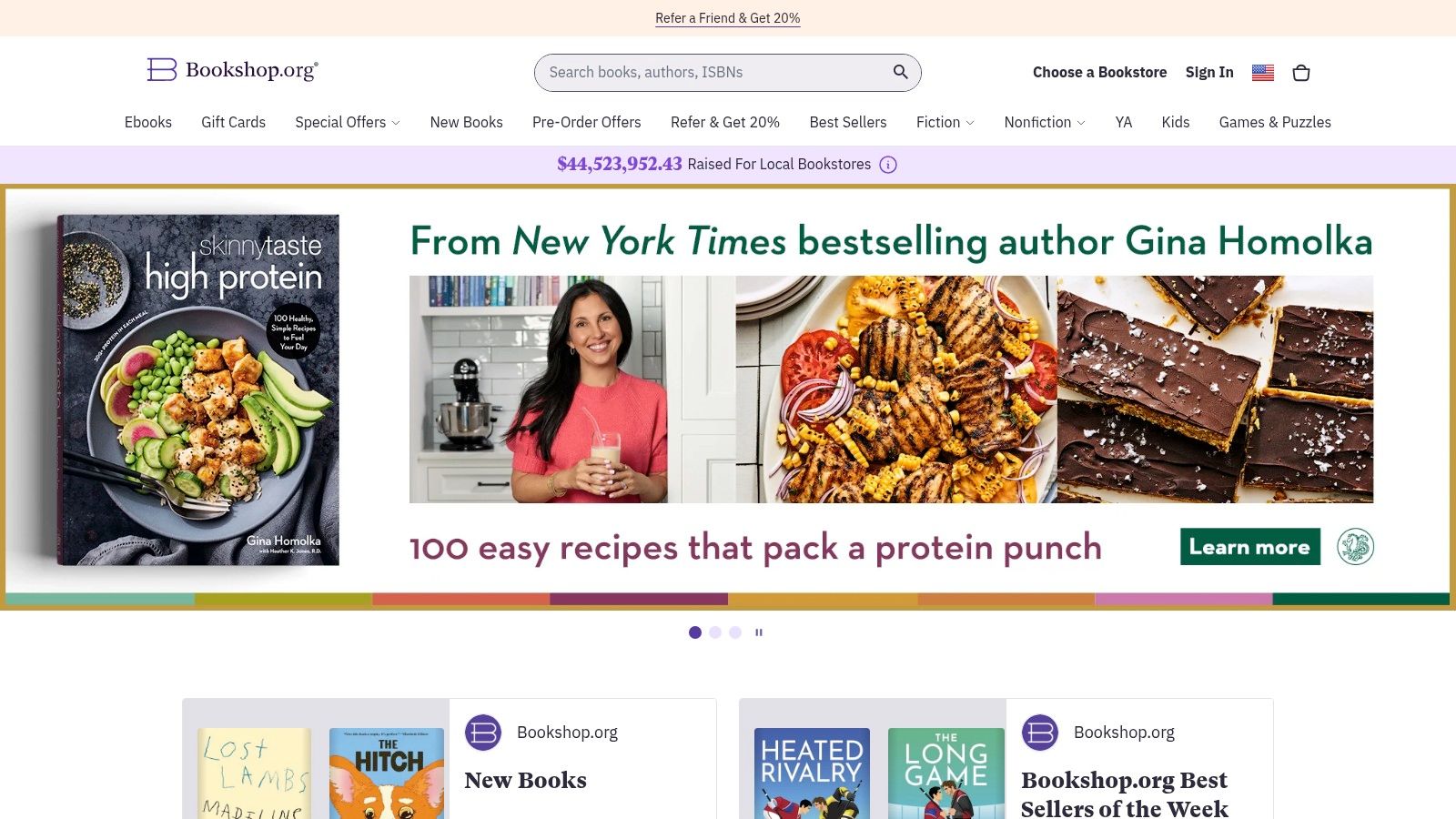
This platform excels at curation. Many independent booksellers, educators, and librarians create and share public book lists directly on the site. This makes it an invaluable resource for discovering high-quality, expert-recommended nonfiction books for 6th graders, from compelling biographies to accessible science and history titles.
Key Features and Practical Tips
The real strength of Bookshop.org lies in its curated lists, which act as a trusted filter for finding exceptional content. Instead of sorting through an overwhelming algorithm, you can browse collections hand-picked by people who live and breathe books. This approach simplifies discovery and often highlights diverse and unique titles that might be missed on larger platforms.
- Explore Curated Lists: Search for lists created by educators, librarians, or your favorite local bookstore. Look for titles like "Middle Grade Nonfiction," "STEM Reads for Tweens," or "Young Historians" to find vetted recommendations.
- Support a Local Store: Use the map feature to find and designate a specific independent bookstore to receive the full profit from your order. If you don't choose one, the profit is evenly distributed among a pool of participating stores.
- Check Availability: The site provides clear information on stock and shipping estimates. While it may not always offer two-day shipping, its transparent process lets you know what to expect.
Bookshop.org is more than a store; it’s a movement to sustain the culture of local bookshops. It's an ideal choice for parents, educators, and school librarians who want to build a thoughtful nonfiction library while investing in their communities.
Pros and Cons
| Pros | Cons |
|---|---|
| Ethically appealing; supports local independent bookstores. | Inventory and shipping can be slower than large retail giants. |
| Curated lists by experts simplify the discovery of quality books. | Far fewer user reviews compared to platforms like Amazon. |
| Clean, user-friendly site design with a straightforward checkout. | Discounts and sales events are generally less frequent. |
Website: https://bookshop.org
4. Scholastic Book Clubs (and Teacher Store): The Classroom-Focused Curation Hub
For educators and parents looking for affordable, teacher-approved titles, Scholastic Book Clubs is a trusted institution. It excels at curating budget-friendly nonfiction paperbacks and value sets specifically for classroom and home libraries, bridging the gap between school and personal reading. Its strength lies in its grade-banded selections, which remove the guesswork when searching for appropriate content.
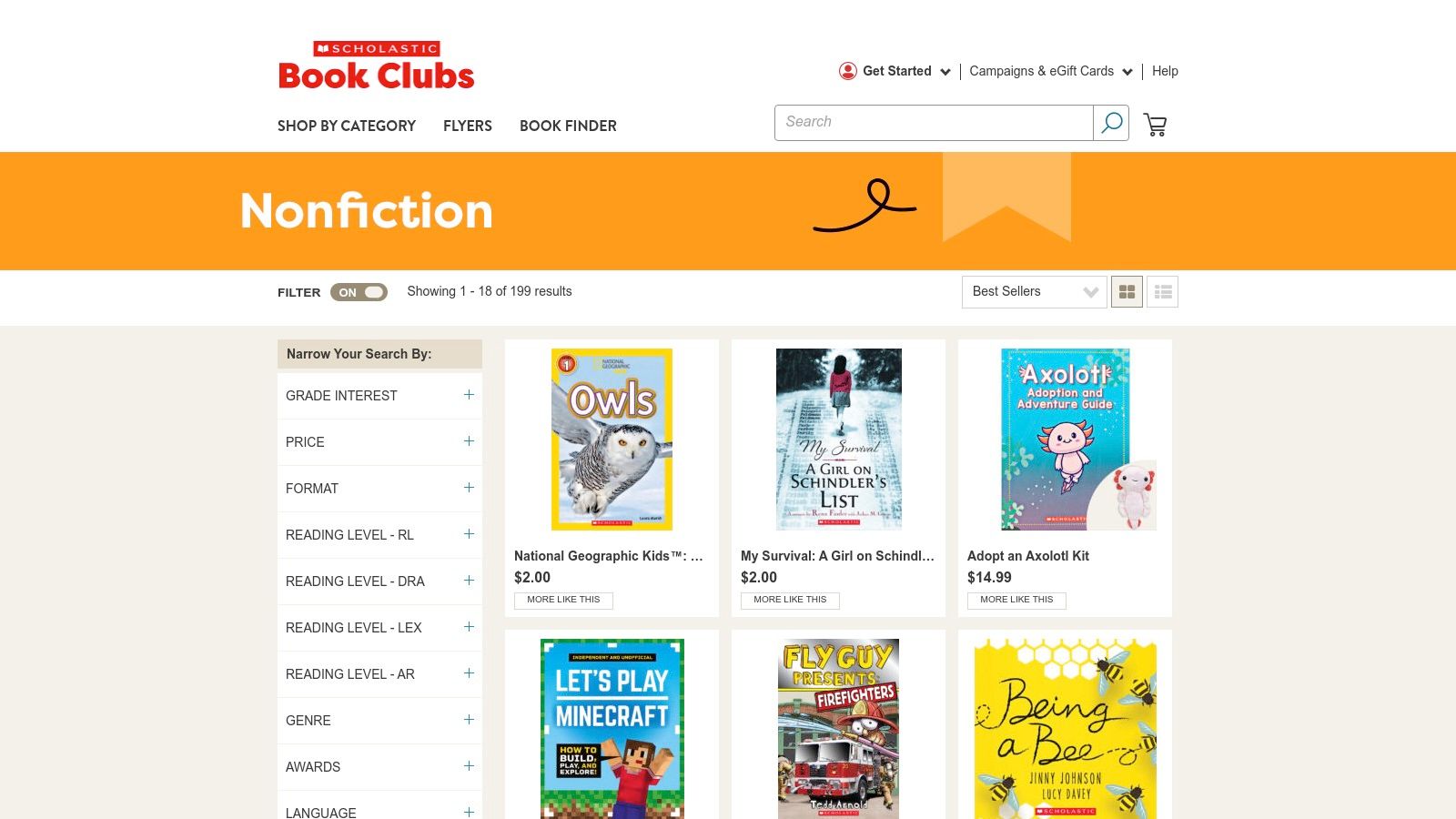
This platform is uniquely positioned to serve the educational community. Families can order through teacher-specific class codes, while educators benefit from an online Teacher Store with discounts and a points system to earn free books. This ecosystem makes it an incredibly practical tool for stocking up on high-interest nonfiction books for 6th graders that align with curriculum needs and reading levels.
Key Features and Practical Tips
The primary advantage of Scholastic is its expert curation. Instead of an overwhelming, unfiltered marketplace, you'll find collections and themed packs that are pre-vetted for middle-grade readers, covering topics from STEM and history to biographies of inspiring figures. This makes it easy to find relevant and engaging materials quickly.
- Browse by Grade Band: Use the "Grades 3-7" filters to find nonfiction that hits the sweet spot for 6th-grade cognitive and reading levels. Scholastic's editors do an excellent job of categorizing content.
- Look for Value Packs: The multi-book packs offer the best value. These are perfect for building a classroom library around a specific theme, such as survival stories or scientific discoveries.
- Leverage Teacher Perks: If you're an educator, use your account to access exclusive discounts and accumulate bonus points with every class order. These points can be redeemed for free books, stretching your budget significantly.
For parents, coordinating with your child's teacher to use their class code is the most effective way to access the best pricing and support the classroom simultaneously. The flyers, both physical and digital, are a great way to discover new and popular nonfiction titles together with your child.
Pros and Cons
| Pros | Cons |
|---|---|
| Budget-friendly way to expand classroom or home libraries. | Best pricing and access often require a teacher/class code. |
| Curated grade-level choices reduce guesswork for fit. | Mostly paperback offerings; limited hardcover/library binding options. |
| Frequent promotions and special packs for content areas. | Selection is curated and smaller compared to giant retailers. |
Website: https://clubs.scholastic.com/nonfiction/
5. OverDrive / Libby: Your Public Library's Digital Nonfiction Shelf
For completely free access to a vast digital library, OverDrive and its user-friendly app, Libby, are unbeatable resources. By connecting a public library card, families and educators can borrow an extensive collection of ebooks and audiobooks, including a rich variety of nonfiction books for 6th graders, without spending a dime. It’s the public library system, modernized for on-the-go digital access.
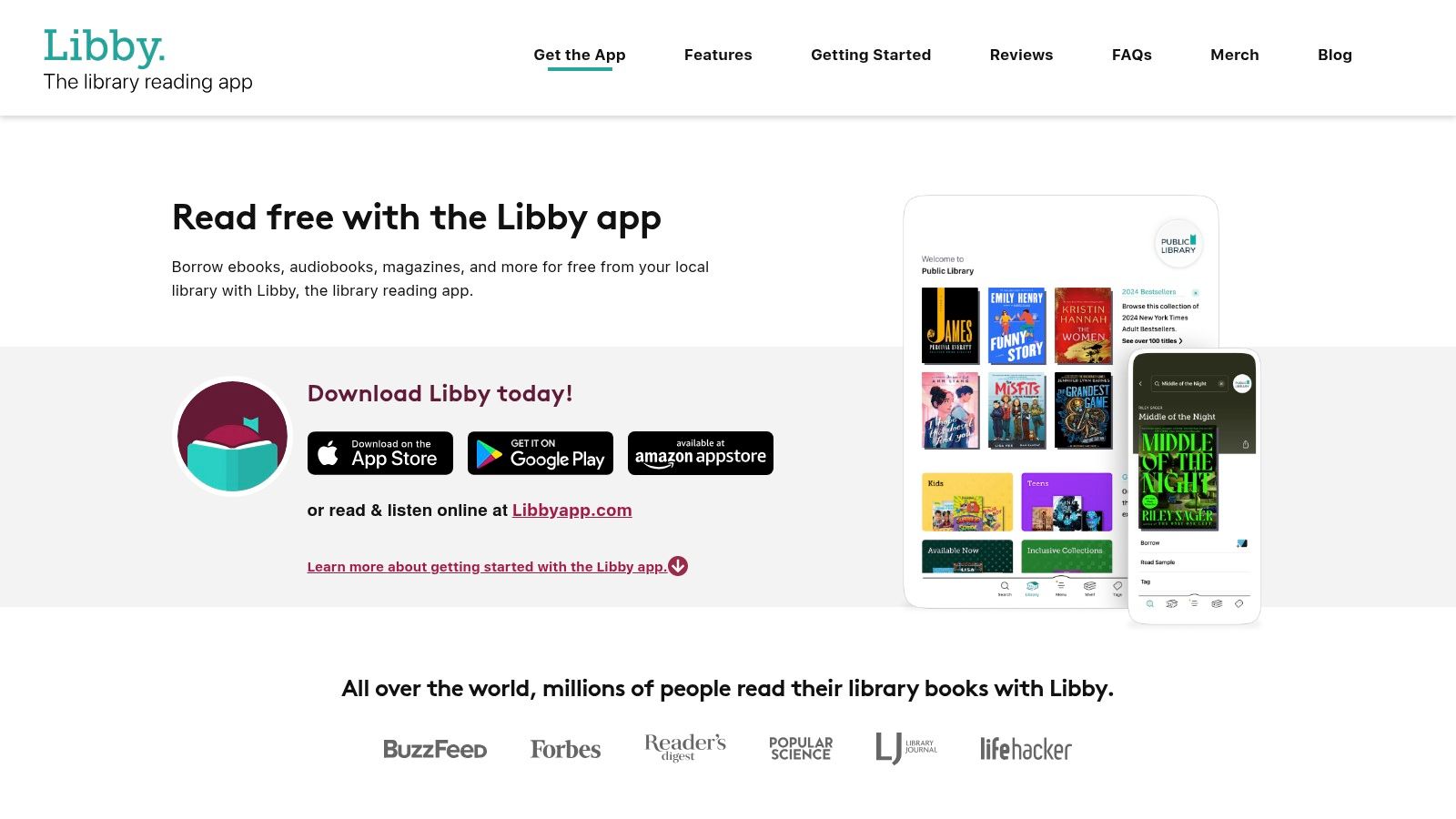
This platform excels at providing equitable access to high-quality content. Because collections are curated by professional librarians, the catalogs are often well-organized and feature award-winning, relevant titles. The Libby app offers a seamless reading experience across tablets, phones, and e-readers, making it an excellent tool for encouraging reading anytime, anywhere.
Key Features and Practical Tips
The true value of Libby is its cost-free, curated access. Many libraries create dedicated "Kids" or "Juvenile" sections within the app, which helps 6th graders browse age-appropriate content safely. These curated lists often highlight new arrivals, thematic collections (like space exploration or ancient history), and award winners.
- Place Holds Strategically: Popular nonfiction titles may have a waitlist. Teach your 6th grader how to place holds on books they are interested in. This creates a steady pipeline of reading material delivered right to their device.
- Utilize Audiobooks: The platform's audiobook selection is a fantastic resource for students who struggle with traditional reading or are auditory learners. Listening to a well-narrated biography or science book can dramatically improve comprehension and engagement.
- Connect Multiple Library Cards: If you have cards from different library systems (e.g., city and county), you can add them all to your Libby account. This expands your available catalog and can reduce wait times for popular books.
Libby is an essential tool for building a reading habit without a budget, and its digital format is perfect for finding titles on the go. For ideas on what to look for, check out this helpful 6th grade summer reading list to get started.
Pros and Cons
| Pros | Cons |
|---|---|
| Completely free access with a public library card. | Popular titles often have long wait times due to high demand. |
| Curated kids collections managed by professional librarians. | Book availability depends entirely on your specific library's budget. |
| Excellent audiobook selection makes content more accessible. | Digital licenses expire, so books can be removed from the catalog. |
Website: https://www.overdrive.com/apps/libby
6. Epic!: A Vast Digital Library Tailored for Young Readers
Epic! is an all-you-can-read digital library designed specifically for kids 12 and under, making it a treasure trove for finding engaging nonfiction. With over 40,000 high-quality books, audiobooks, and learning videos, it provides a curated and safe environment for 6th graders to explore their interests, from space exploration and ancient civilizations to modern technology and biographies.
This platform excels at providing controlled, age-appropriate access to a massive nonfiction collection. Unlike open marketplaces, Epic! is a subscription service, ensuring every title is vetted for quality and relevance. Its interface is designed for kids, encouraging independent discovery and research in a gamified, user-friendly format. For educators, the free "Epic School" access during school hours is a game-changer for classroom learning.
Key Features and Practical Tips
The real strength of Epic! lies in its powerful educator tools and personalized reading journeys. When searching for nonfiction books for 6th graders, parents and teachers can create custom collections based on specific curriculum topics, reading levels, or a child's personal interests. This turns a broad library into a focused learning resource.
- Utilize Reading-Level Filters: Epic! allows you to sort content by various leveling systems (AR, DRA, F&P). Use these filters to find nonfiction that is challenging but not frustrating, ensuring a positive reading experience.
- Create Topic-Specific Collections: If your 6th grader is studying a specific historical event or scientific concept, build a custom collection of books, audiobooks, and videos on that topic. This helps them dive deep and explore multiple perspectives.
- Leverage "Read-To-Me" Books: For complex nonfiction subjects, the "Read-To-Me" feature provides audio support that can improve comprehension and vocabulary acquisition, especially for struggling or reluctant readers.
For families, a single subscription allows for multiple child profiles, each with personalized recommendations. Educators can assign readings and track student progress, making it an invaluable tool for both independent exploration and structured classroom assignments.
Pros and Cons
| Pros | Cons |
|---|---|
| Vast, curated library ensures age-appropriate content. | Full home access requires a paid monthly or annual subscription. |
| Excellent educator tools and free access during school hours. | Title availability can change based on publisher licensing deals. |
| Multi-device access with personalized profiles for each child. | As a digital-only platform, it doesn't offer physical book copies. |
Website: https://www.getepic.com
7. National Geographic Kids: Visually Stunning Nonfiction for Curious Minds
National Geographic Kids is a premier destination for high-interest, visually-driven nonfiction that captivates middle schoolers. Its content, renowned for stunning photography and engaging layouts, covers core 6th-grade topics like science, technology, wildlife, and geography, making it an invaluable resource for both classroom assignments and recreational reading.
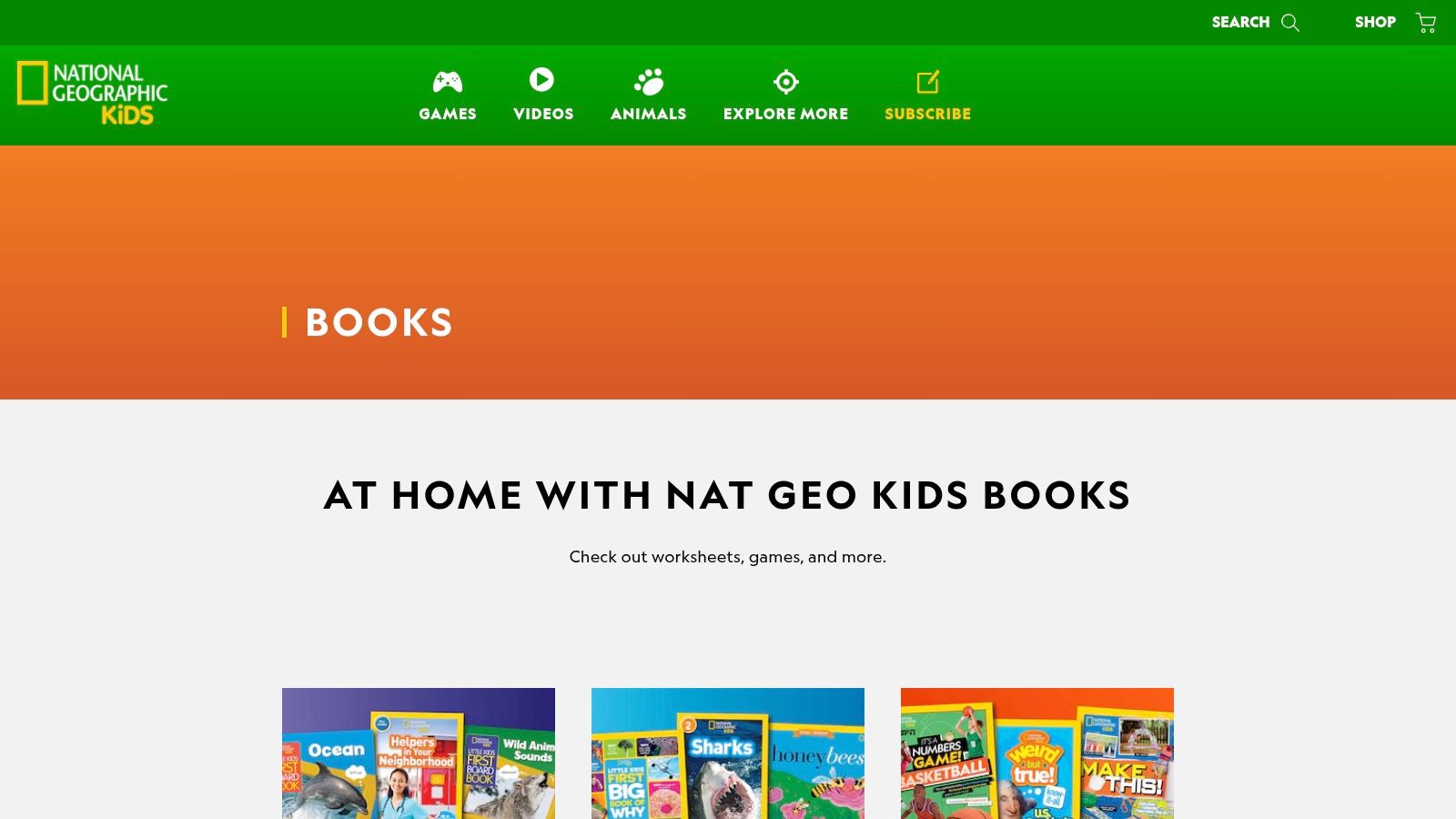
This publisher site excels at turning complex subjects into accessible, browsable content. Instead of just listing books, it organizes them into thematic hubs and popular series like the National Geographic Kids Almanac and Weird But True!, which are perennial favorites among 6th graders. The site also enriches the reading experience with related articles, videos, and activities.
Key Features and Practical Tips
The strength of National Geographic Kids lies in its alignment with middle school curricula and its appeal to visual learners. When searching for nonfiction books for 6th graders, use the site's topical navigation to quickly find resources that match specific research projects or areas of interest.
- Explore Series Hubs: Series like How Things Work or the Almanac are perfect for reluctant readers. They present facts in digestible, fun formats that encourage browsing and discovery.
- Leverage Multimedia Content: Use the accompanying videos and online activities to supplement the books. This multi-format approach can deepen understanding and make learning more interactive and memorable.
- Use as a Discovery Tool: While you can't always buy directly from the site, it's an excellent place to preview content, read first chapters, and decide which titles are the best fit before purchasing them from a major retailer.
The site’s design is clean, intuitive, and highly engaging for its target audience. By integrating various forms of media, it provides a comprehensive learning ecosystem that supports diverse educational needs. For more ideas on finding great reads, check out this guide to some of the best non-fiction books to read.
Pros and Cons
| Pros | Cons |
|---|---|
| High visual appeal with world-class photography and design. | Limited to National Geographic titles; not a comprehensive marketplace. |
| Strong alignment with common 6th-grade research topics. | Direct e-commerce is limited; routes buyers to retail partners. |
| Easy to discover series that engage reluctant readers. | Focus is more on discovery and activities than on purchasing. |
Website: https://kids.nationalgeographic.com/books
Nonfiction Books for 6th Graders — 7-Source Comparison
| Item | 🔄 Implementation complexity | ⚡ Resource requirements | 📊 Expected outcomes | 💡 Ideal use cases | ⭐ Key advantages |
|---|---|---|---|---|---|
| Amazon Books | Low — easy consumer purchase; advanced search tools | Low — account/payment; no membership required; variable shipping | High selection and discovery; quality varies | Finding award winners, multi-format needs, preorders | ⭐⭐⭐⭐ — Largest inventory, strong reviews/recommendations |
| Barnes & Noble (B&N) | Low — online + in‑store options; simple pickup | Low–Medium — account; optional membership for best discounts | Reliable availability for popular nonfiction; curated picks | Quick store pickup, in‑person browsing, educator events | ⭐⭐⭐ — Consistent stock, curated displays, store support |
| Bookshop.org | Low — straightforward checkout; curated shop lists | Low — account; supports indie stores; shipping may be slower | Curated, community‑driven selections; fewer reviews | Supporting independent bookstores; educator/librarian lists | ⭐⭐⭐ — Indie support, transparent proceeds, curated lists |
| Scholastic Book Clubs | Low–Medium — teacher/class code workflow | Low — family or teacher ordering; best pricing via teacher channels | Budget‑friendly classroom/home library growth | Bulk classroom orders, grade‑banded packs, themed units | ⭐⭐⭐⭐ — Affordable packs, educator perks, grade‑aligned curation |
| OverDrive / Libby (public libraries) | Medium — library card + app setup; holds system | Very Low — free library card; device/app; license‑dependent | No‑cost access to many titles; holds/wait times possible | Cost‑conscious families, school integrations, digital lending | ⭐⭐⭐⭐ — Free access, librarian curation, eAudio/eBook availability |
| Epic! | Low–Medium — subscription setup for home; free school access (limited) | Medium — paid home subscription for full access; devices required | Large curated digital collection; progress tracking for students | Classroom read‑alouds, independent research, leveled reading | ⭐⭐⭐⭐ — Extensive kid library, educator tools, reading‑level filters |
| National Geographic Kids | Low — browse series hubs and previews; publisher site | Low — browsing free; purchases routed to retailers | High visual engagement and topic alignment; publisher focus | Classroom research, science/geography topics, reluctant readers | ⭐⭐⭐ — Highly visual, curriculum‑aligned series and activities |
Building a World of Knowledge, One Book at a Time
Finding the right nonfiction books for 6th graders is a journey, not a destination. As we've explored, the path to discovery is multifaceted, with each tool and platform offering a unique gateway to stories, facts, and perspectives that can shape a young reader's worldview. The goal isn't simply to check off a reading list; it's to cultivate a lifelong habit of curiosity and critical thinking.
Sixth grade is a pivotal time. Students are moving beyond simple facts and beginning to grapple with complex ideas, diverse viewpoints, and the intricate connections that weave our world together. The resources detailed in this guide are designed to meet them at this crucial developmental stage, providing access to a universe of knowledge that is both engaging and intellectually stimulating.
Your Toolkit for Nonfiction Discovery
Let's distill the primary takeaways to help you build a robust reading strategy for your 6th grader. The key is not to rely on a single source but to create a dynamic reading ecosystem that adapts to your child's or students' evolving needs.
- For Maximum Selection: Platforms like Amazon and Barnes & Noble offer an unparalleled inventory. They are excellent starting points for browsing a vast range of titles, from popular bestsellers to niche topics, allowing for broad exploration.
- For Community Impact: When you've identified a book, consider purchasing through Bookshop.org. This choice directly supports independent bookstores, contributing to the health of local communities and literary culture.
- For Educators and Budget-Conscious Classrooms: Scholastic Book Clubs and the Teacher Store remain an invaluable, cost-effective resource for building classroom libraries with curated, grade-appropriate nonfiction.
- For Free and Accessible Reading: Never underestimate the power of your local library. With OverDrive and Libby, access to an enormous digital catalog of nonfiction audiobooks and e-books is completely free, breaking down financial barriers to reading.
- For Digital Immersion: Services like Epic! provide a "Netflix for books" experience that can captivate reluctant readers. Its curated collections and progress-tracking features make it a powerful tool for both home and school environments.
Making a Strategic Choice
Selecting the right tool depends entirely on your specific goals. Are you looking for a specific biography for a school project? A broad resource like Barnes & Noble or your library's Libby app might be best. Are you trying to build a diverse classroom library on a tight budget? Scholastic is your go-to partner. For homeschooling families looking to integrate reading into a structured day, an ultimate homeschool daily schedule template guide can provide a valuable framework for carving out dedicated time for nonfiction exploration.
Key Consideration: The best approach is a blended one. Use Amazon for discovery, your library via Libby for free access, and Bookshop.org for purchases that matter. This method ensures you are finding the best nonfiction books for 6th graders while also making conscious, impactful choices.
Ultimately, the books we place in the hands of young readers are more than just assignments; they are windows and mirrors. They reflect students' own experiences and open their eyes to the lives of others, fostering empathy, understanding, and a more nuanced view of the world. By thoughtfully using the platforms we've discussed, you empower the 6th graders in your life to step through those windows and see themselves more clearly in the mirrors, one incredible true story at a time.
At Number 6 Publishing, we believe that captivating stories are the key to unlocking a love of reading. While we specialize in imaginative fiction, we are passionate about creating narratives that inspire the same curiosity and wonder found in the best nonfiction. Explore our catalog at Number 6 Publishing to find compelling stories that will complement your young reader's journey of discovery.