
Remember the story of the peddler with a stack of hats, a tree full of monkeys, and the chaos that followed? That feeling of delightful disarray from the classic book Caps for Sale is a lot like trying to find the perfect hat for your family today. This guide is here to help you navigate that world with confidence.
From Storybook Charm to Your Closet
The phrase "Caps for Sale" instantly takes many of us back to our childhoods, thanks to Esphyr Slobodkina's wonderful story. Since it was first published way back in 1940, it has sold millions of copies and become a treasured read-aloud for families everywhere. The story's lasting power and the importance of reading with kids are timeless topics you can dive into deeper on Voronoiapp.com.
Just like that peddler, parents often face a towering stack of choices when shopping. The real-world hunt for a great hat can sometimes feel as overwhelming as trying to get your hats back from a bunch of cheeky monkeys.
A Practical Guide with a Touch of Nostalgia
We wanted to capture that warm, nostalgic feeling and pair it with practical advice for buying a cap today. Think of this as your map, designed to turn a potentially confusing shopping trip into a fun, successful one. We break down all the overwhelming options into simple, easy-to-understand pieces.
Our goal is to cover everything you need to know, from start to finish. We'll explore:
- Styles: From the everyday baseball cap to a snug beanie for winter.
- Fabrics: How to pick the right material for the right season.
- Fit: Making sure everyone, from toddlers to teens, gets a comfortable cap.
By the time you're done reading, you'll be ready to pick out the best caps for sale for any person and any occasion.
Decoding the Most Popular Cap Styles
Stepping into the world of caps for sale can feel a bit like trying to solve a puzzle. You’ve got the classic curve of a baseball cap, the snug fit of a beanie, and so many others in between. Each one has its own personality, and figuring out which is which is the first step to finding the perfect one.
Let’s break down the most popular types so you can easily spot the right fit for any adventure. This infographic helps turn that initial confusion into confident shopping.
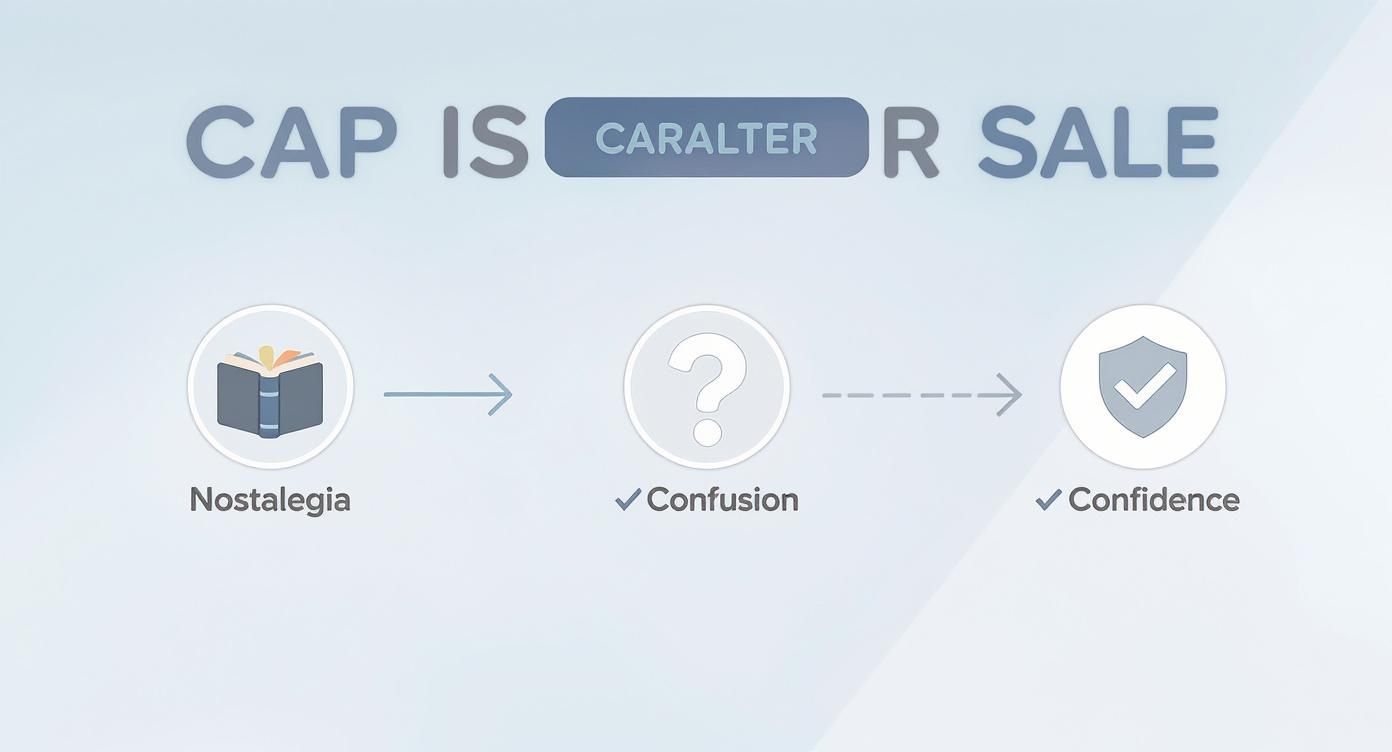
Think of it as your map—it shows you the path from feeling unsure about all the choices to becoming a savvy cap-spotter.
To make things even easier, here's a quick look at some of the most common styles you'll run into.
Quick Guide to Popular Cap Styles
| Cap Style | Key Features | Best For |
|---|---|---|
| Baseball Cap | Rounded crown, stiff front-facing bill. | Everyday wear, sports, sun protection. |
| Beanie | Soft, brimless, close-fitting knit cap. | Cold weather, casual comfort, a relaxed look. |
| Bucket Hat | Wide, downward-sloping brim all around. | Maximum sun protection, beach days, festivals. |
This table is just a starting point. Now, let's get into what makes each of these styles a go-to for so many people.
The All-American Baseball Cap
This is the undisputed champion of headwear. A baseball cap is like that reliable pair of jeans in your closet—it just works. With its rounded crown and a stiff bill pointing forward, it’s built for both classic style and practical sun protection.
Within this family, you’ll find a couple of key players:
- Snapbacks: These have that familiar plastic strap at the back, which makes them a fantastic one-size-fits-most option. Perfect for growing kids!
- Fitted Caps: These are made to a specific head size for a clean, seamless look with no straps in sight.
The baseball cap’s popularity is no accident. It completely dominates the headwear market, which is a massive industry valued at an estimated $9.5 billion USD. And a huge piece of that pie belongs to the classic baseball cap—around 60 million are sold in the U.S. every single year.
The Cozy Beanie
If a baseball cap is like a pair of jeans, then a beanie is your favorite hoodie. It’s all about comfort, warmth, and ease.
Usually made from a soft knitted material, beanies are simple, stretchy, and perfect for those chilly days at the park or a brisk morning walk. You can wear them pulled down snug over your ears or with a little bit of slouch for a more relaxed vibe.
Pro Tip: For kids with sensitive skin, keep an eye out for beanies made from soft, non-itchy materials like cotton or fleece blends. A good beanie should feel like a warm hug for your head.
The Trendy Bucket Hat
The bucket hat has made a huge comeback, and for good reason! Its wide, downward-sloping brim gives you awesome 360-degree sun protection, making it a brilliant choice for sunny beach days or afternoons spent playing outside.
It’s the fun, practical friend in the cap family—super easy to fold up and pack, and always ready for an adventure.
Beyond the style, the color you choose can really make your whole look pop. If you're curious about which shades will flatter you or your child the most, this is a great resource: What Colors Look Good On Me? Find Your Perfect Palette.
Choosing the Right Fabric for Every Season
The secret ingredient to a cap that feels just right is the fabric. It’s what makes the difference between a hat you forget you’re even wearing and one that feels itchy or stuffy after five minutes. When you're looking at caps for sale, the material is a huge piece of the puzzle.
Let’s break down the most common fabrics and what they mean for you and your adventures.
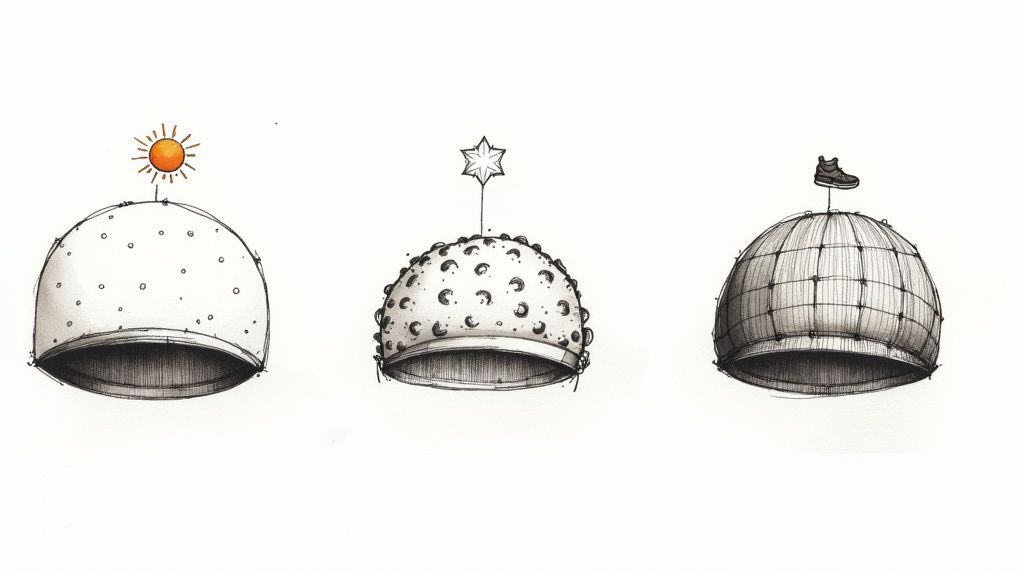
Think about it like picking out your clothes for the day. You wouldn’t grab a wool sweater for a trip to the beach in July, right? The same idea applies to your headwear. The whole point is to match the material to the weather so you can stay comfortable no matter what.
Warm Weather Warriors
When the sun is out and it’s time to play, you need a hat that can breathe. These fabrics are champions at letting air flow through, which keeps your head cool and stops that sticky, sweaty feeling from ruining the fun.
- Cotton: This is the go-to classic for a good reason. It’s soft, lets air pass right through, and is hypoallergenic, which is a lifesaver for anyone with sensitive skin. A lightweight cotton cap is the perfect sidekick for a day at the park or a family picnic.
- Linen: Just like cotton, linen is super light and airy. It’s fantastic at keeping you cool, but it does have a tendency to get a little wrinkly.
Cold Weather Champions
Once the temperature starts to dip, you’ll want a cap that holds in heat to keep you warm. These cozy materials are designed to trap warmth and keep you toasty on those chilly walks or winter escapades.
A cap’s material does more than just feel nice—it works like a tiny climate control system for your head, ensuring comfort no matter the forecast.
Wool is the undisputed king of warmth. Its natural fibers are incredible insulators, even if they get a little damp, making wool hats perfect for frosty mornings. If you're looking for something softer that won't itch, fleece gives you all that cozy warmth with a plush feel that kids absolutely love.
Finally, for sports or any high-energy fun, synthetic fabrics like polyester and nylon are total game-changers. They are masters of moisture-wicking, which is a fancy way of saying they pull sweat away from your skin to keep you dry. To get really good at picking the perfect year-round hat, it helps in understanding fabric weights—it’s a key piece of the puzzle for seasonal comfort.
How to Measure for the Perfect Fit
Nothing takes the fun out of a new hat quite like a bad fit. We’ve all been there—a cap that’s so tight it gives you a headache, or one so loose that it flies off the second a game of tag starts. Getting that "just right" feel is everything, especially when you’re looking at caps for sale online and can’t try them on first.
The good news is, getting the right size is way easier than you think. All you really need is a soft, flexible tape measure, like the kind used for sewing. Don't have one? No problem. A simple piece of string and a ruler will get the job done just as well.
Taking a moment to measure means you can buy with confidence and skip the whole return-and-exchange hassle. It's a tiny step that makes a huge difference, particularly for growing kids whose hat size can change in a flash.
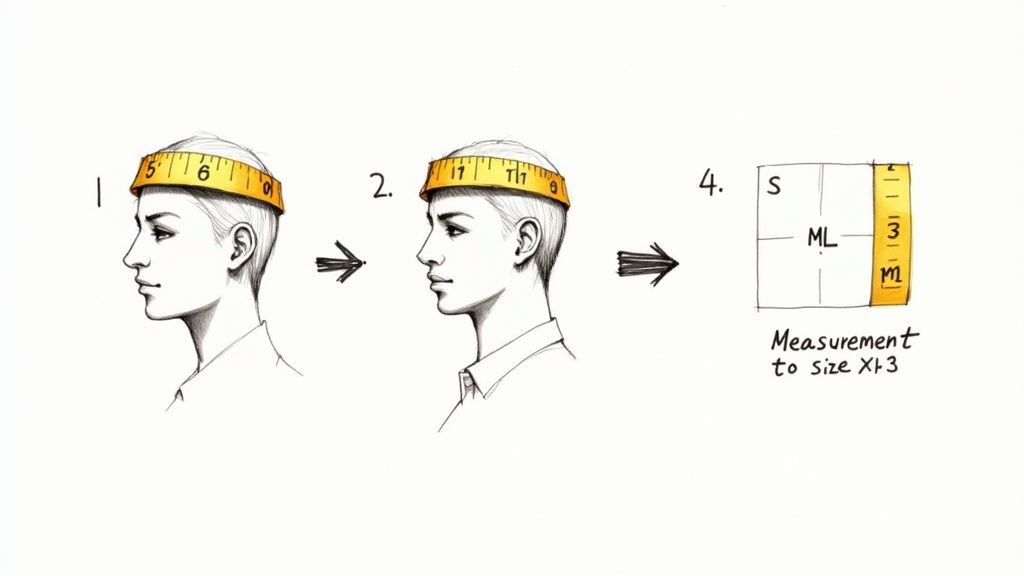
A Simple Guide to Measuring
Finding your exact head size takes less than a minute. Just follow these quick steps before you start your hunt for the perfect cap.
- Position the Tape: Take your soft tape measure and wrap it around the widest part of the head. Think about a half-inch above the eyebrows and ears—that’s usually the sweet spot.
- Get a Snug Fit: You want the tape to be snug, but not squeezing. It should feel how you'd want the cap to feel on your head: secure, but still comfortable.
- Read the Measurement: Take a look at the number in either inches or centimeters. Most sizing charts you’ll find online will have both.
Pro Tip: If you're measuring for your child, do yourself a favor and jot down the number with today’s date. It’s a great way to keep track of their growth and makes the next time you shop for a hat online totally painless.
Understanding Different Fit Styles
Once you have your measurement, you'll start to notice that caps come in a few key styles. Each one fits a little differently and offers its own kind of feel.
- Fitted Caps: These are the ones sold in very specific sizes (like 7 ¼) and don't have an adjustment strap in the back. They give you a sharp, clean look, but getting the measurement right is crucial.
- Adjustable Caps: Think of your classic snapbacks or strapbacks. These caps have a handy mechanism on the back that lets you dial in the perfect fit. They’re a fantastic, super forgiving option, especially for kids who are still growing.
- Flexfit Caps: This style uses a clever elastic band built right into the rim. It allows the cap to stretch for a comfortable, snug fit across a small range of sizes (often labeled S/M or L/XL).
Keeping Your Favorite Caps Looking New
You’ve finally found the perfect cap from all the caps for sale—now what? Keeping it looking fresh is the real mission. Proper care is what separates a cap that lasts one messy season from a trusted favorite you’ll have for years. Luckily, it's simpler than you might think.
The very first thing to do is hunt for the care label inside the cap. That little tag is your secret map, telling you exactly what the manufacturer thinks is best for that specific style and fabric. Ignoring it is a fast track to a shrunken wool beanie or a baseball cap with a warped bill.
Cleaning Different Cap Materials
Not all fabrics are created equal, so they shouldn't be cleaned the same way. A tough cotton baseball cap, for instance, can handle a lot more than a delicate, hand-knit beanie.
- Cotton and Synthetics: Most classic baseball caps made from materials like cotton, nylon, or polyester are built to last. For these, a gentle hand-wash in cool water with a tiny bit of mild soap usually does the trick.
- Wool and Knits: Wool is a bit more sensitive to water and soap. Always stick to cold water and a special wool-safe detergent. When you're done, gently squeeze the water out—never wring or twist it, which can stretch the fibers out of shape.
One of the biggest myths out there is washing a cap in the dishwasher. Please don't do this! The intense heat and harsh soap will absolutely wreck the cap's shape, fade its color, and can even permanently damage the structure of the bill.
Drying Your Cap Correctly
How you dry your cap is just as critical as how you wash it. The number one rule is to never put your cap in the dryer. The heat is a guaranteed way to make it shrink and lose its classic form. The best method, every single time, is to air-dry.
To help your cap keep its shape while it dries, find something that mimics the curve of a head. A coffee can, a large jar, or even a balled-up towel works perfectly. Just set it up in a spot with good airflow, keep it out of direct sunlight, and let it sit until it's completely dry.
Your Top Questions About Buying Caps
Alright, you've browsed the styles and figured out sizing, but a few last-minute questions might still be swirling around. That's completely normal. Getting those final details ironed out is what turns a good choice into the perfect one. Let's tackle some of the most common things parents and shoppers ask.
From the baseball field to a sunny afternoon at the park, the right cap is about more than just looking cool—it’s about being comfortable and protected. We’ve pulled together the top questions we hear to give you that last bit of confidence before you buy.
What Is the Best Cap for Sun Protection?
When you need serious sun protection, nothing beats a classic bucket hat. Its wide, 360-degree brim is a game-changer, shielding your child's face, ears, and the back of their neck from the sun. It's our top pick for long days spent outside. A wide-brimmed sun hat is another fantastic choice for the same reason.
Baseball caps are great for shading the face, but their design naturally leaves the ears and neck exposed. If your heart is set on that style, look for one that comes with a built-in neck flap. This is especially important for young kids whose skin is extra sensitive to the sun.
How Do I Choose a Cap for Sports?
For any kind of sport or active play, it's all about two things: breathability and managing sweat. You'll want to look for caps made from lightweight synthetics like polyester or nylon. These fabrics are engineered to be moisture-wicking, meaning they actively pull sweat away from the skin to help your kid stay cool and dry.
A secure fit is just as important. A cap that’s constantly slipping during a game is a huge distraction. Look for an adjustable closure—like a snapback or strapback—or a flexfit design to make sure it stays put without being uncomfortably tight.
A great cap is an investment in your child’s comfort and the gear’s durability. Choosing quality reflects a bigger trend we're seeing everywhere: people want things that last. You can see this confidence in the market on a huge scale. For instance, global capital expenditures recently topped $1.8 trillion, a sign of strong investment that often trickles down to consumer goods. For more on market trends, you can check out insights from SIFMA.org.
Can I Find Caps for Toddlers and Babies?
Of course! Many brands make caps designed just for the littlest heads. These pint-sized hats usually feature softer fabrics, unstructured crowns for maximum comfort, and gentle closures like velcro straps that won't pull on delicate hair.
Just be sure to check the brand’s specific size chart for infants and toddlers. Their head sizes can vary quite a bit, so measuring is always the best way to get a perfect fit.
At Number 6 Publishing, we know how important it is to find the perfect fit—whether it’s a story that sparks the imagination or a comfy cap for the next big adventure. Find your family’s next favorite book today.